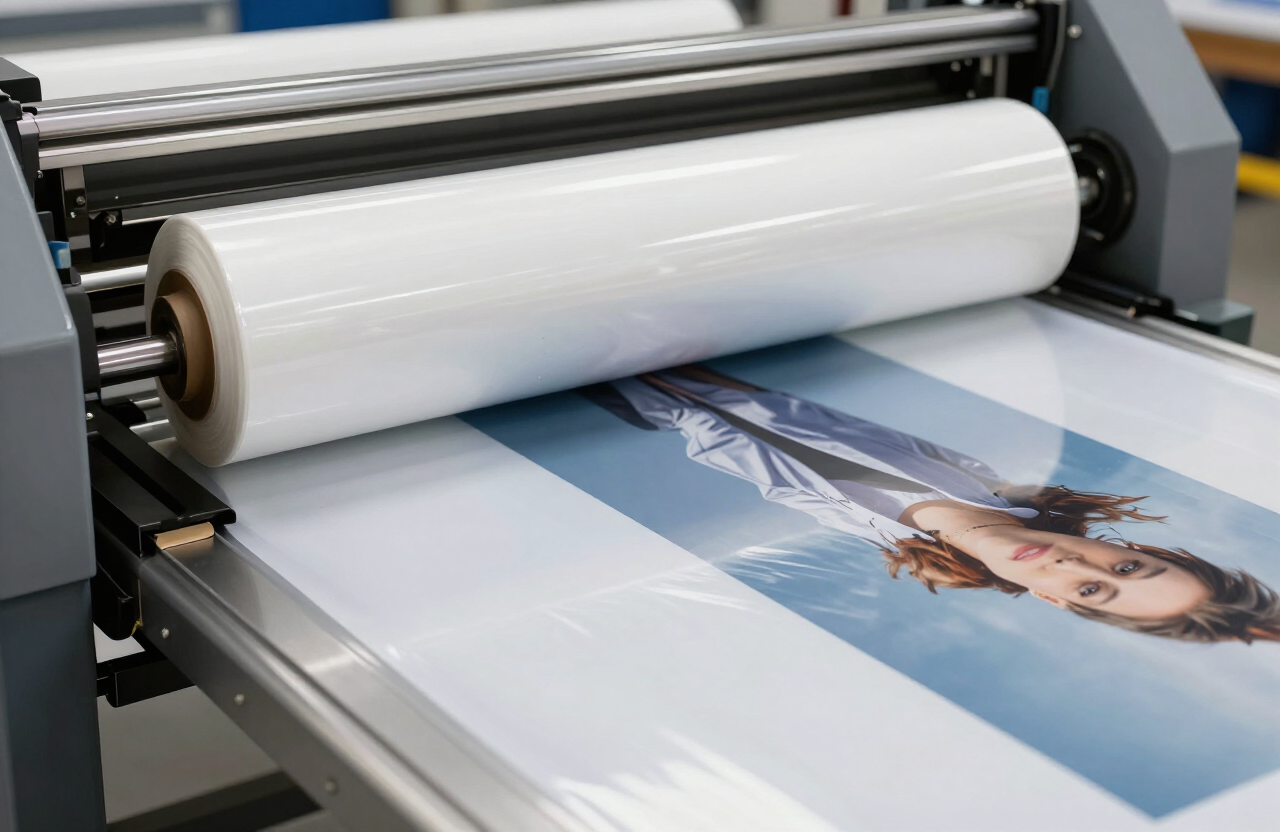
Same films, same scrim — but the lamination temperature changes flatness, gloss, tear strength and cost. Here is how to pick the right bond for your market and install.
Two ways to bond the same composite
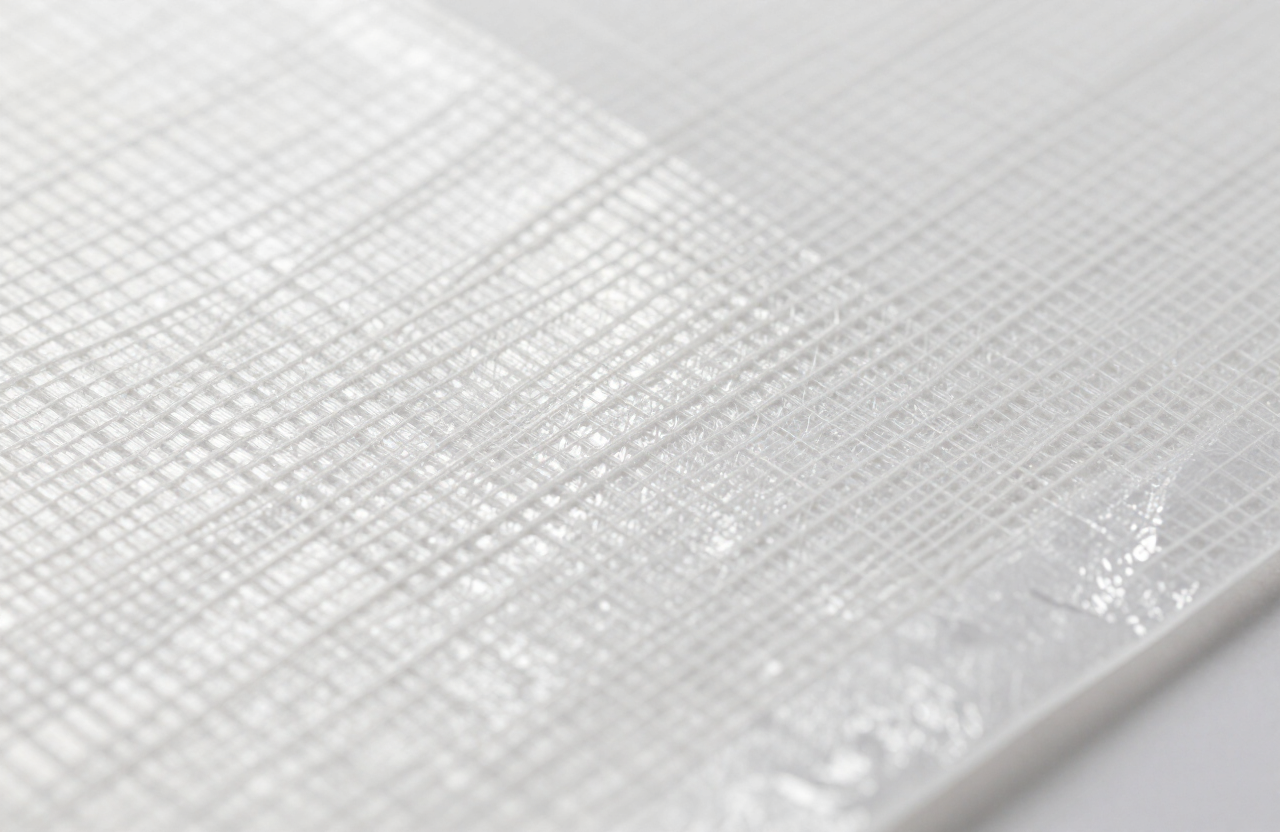
Every laminated NCF banner is a top film + scrim + bottom film composite bonded on mirror-finished heating rollers — no liquid adhesive. What changes between cold and hot lamination is the processing temperature, the input-width allowance, and the performance trade-off. The choice is made per order, not per product family.
Cold lamination — economical, good tear resistance
Cold lamination bonds at roughly 150 °C using thermal-oil heating. It needs about 0.80 m of extra film and scrim input width beyond the finished width, which is part of why it costs less. The result is moderate flatness and gloss with good tear resistance — the workhorse construction for general global markets and for heavier scrims where peel strength matters.
Hot lamination — superior flatness, premium finish
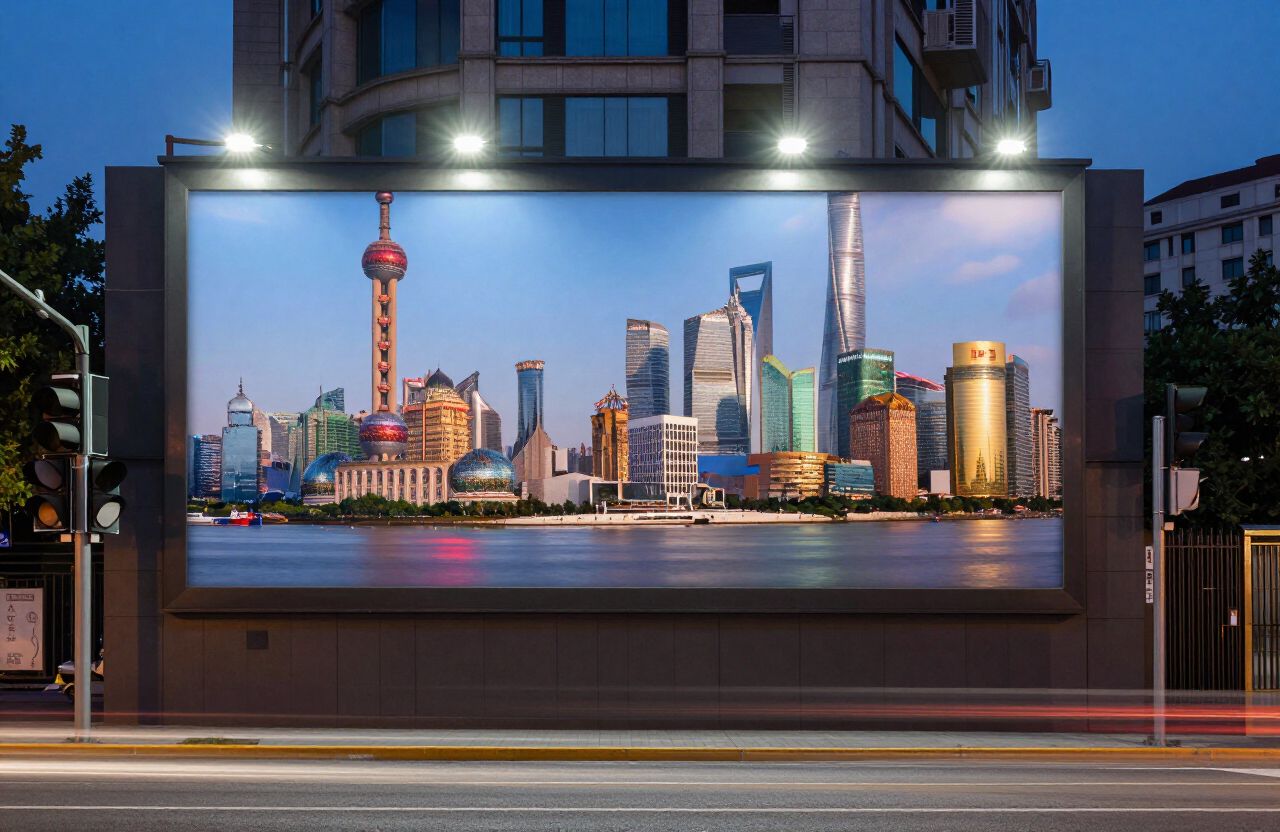
Hot lamination bonds at 180–190 °C. The higher temperature delivers superior single- and double-side flatness and a smoother glossy print face, but tear resistance is moderate and the process costs about 0.2 USD more per square metre. Hot lamination is the standard for South America and North America, where the smoother surface is valued for high-resolution printing. It is also mandatory for knife-coated backlit, where cold lamination would leave a water-mark texture.
Stitch, yarn and lamination interact
The scrim binding stitch changes how each lamination process behaves. Z-stitch has a larger mesh opening and thicker fabric — ideal for cold lamination because it improves bonding between top and bottom films, though it can create pinholes on glossy surfaces. X-stitch has a smaller mesh opening and runs 0.02–0.03 mm thinner at the same gsm, producing the smooth glossy surface with fewer pinholes that hot lamination is best at exploiting.
How to specify
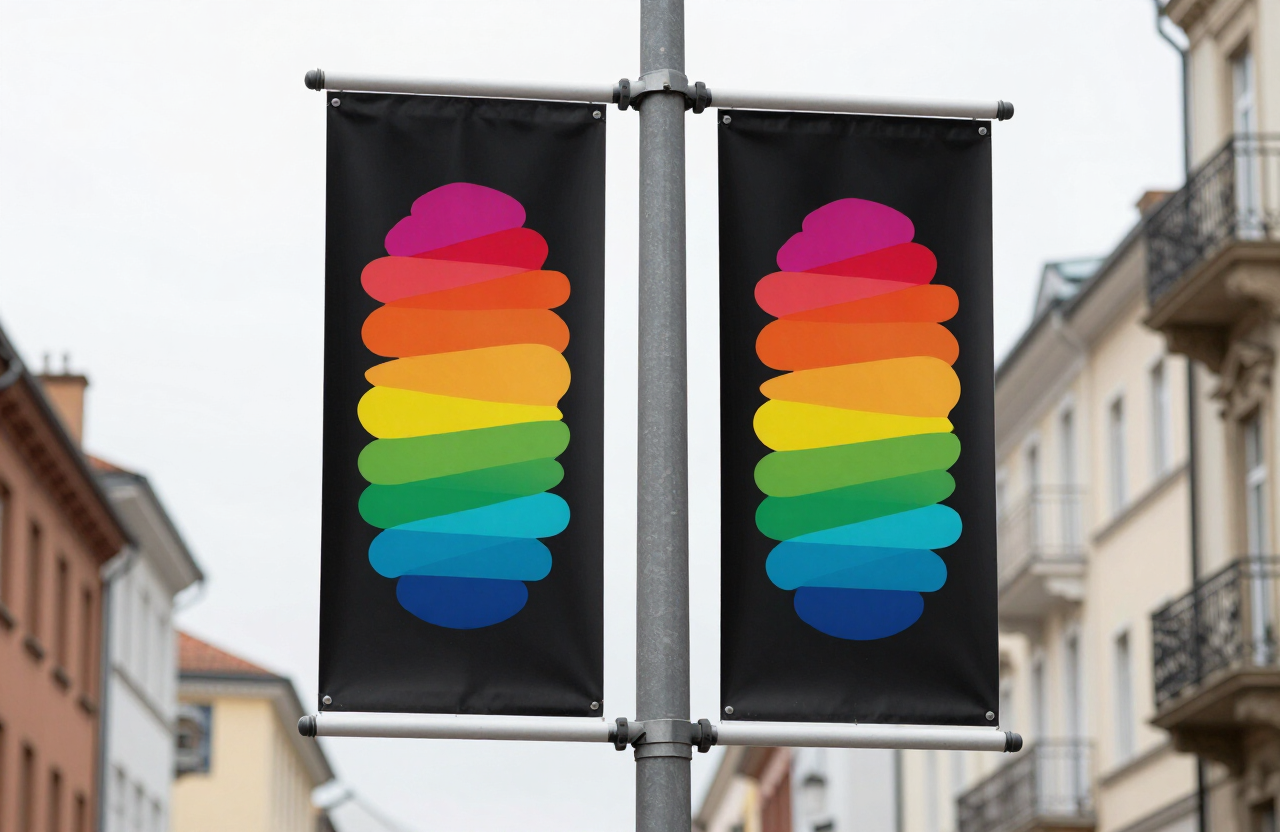
Tell us the destination market, the install environment and the print resolution you need. For premium glossy frontlit in the Americas, we will quote hot lamination on an X-stitch scrim. For cost-sensitive high-tear-strength banners in Africa, the Middle East or Mexico, cold lamination on a heavier weft-high-tenacity scrim is usually the right call. Both are available across the NCF frontlit, blockout and 5.1 m wide flex series.
Talk to a sales engineer
Request specifications and pricing for this media.
Tell us the application, target weight, width and destination port — we reply within 24 hours on business days.
Request a QuoteNCF Technical Team
Hangzhou Nuclear Coating Fabric Co., Ltd.