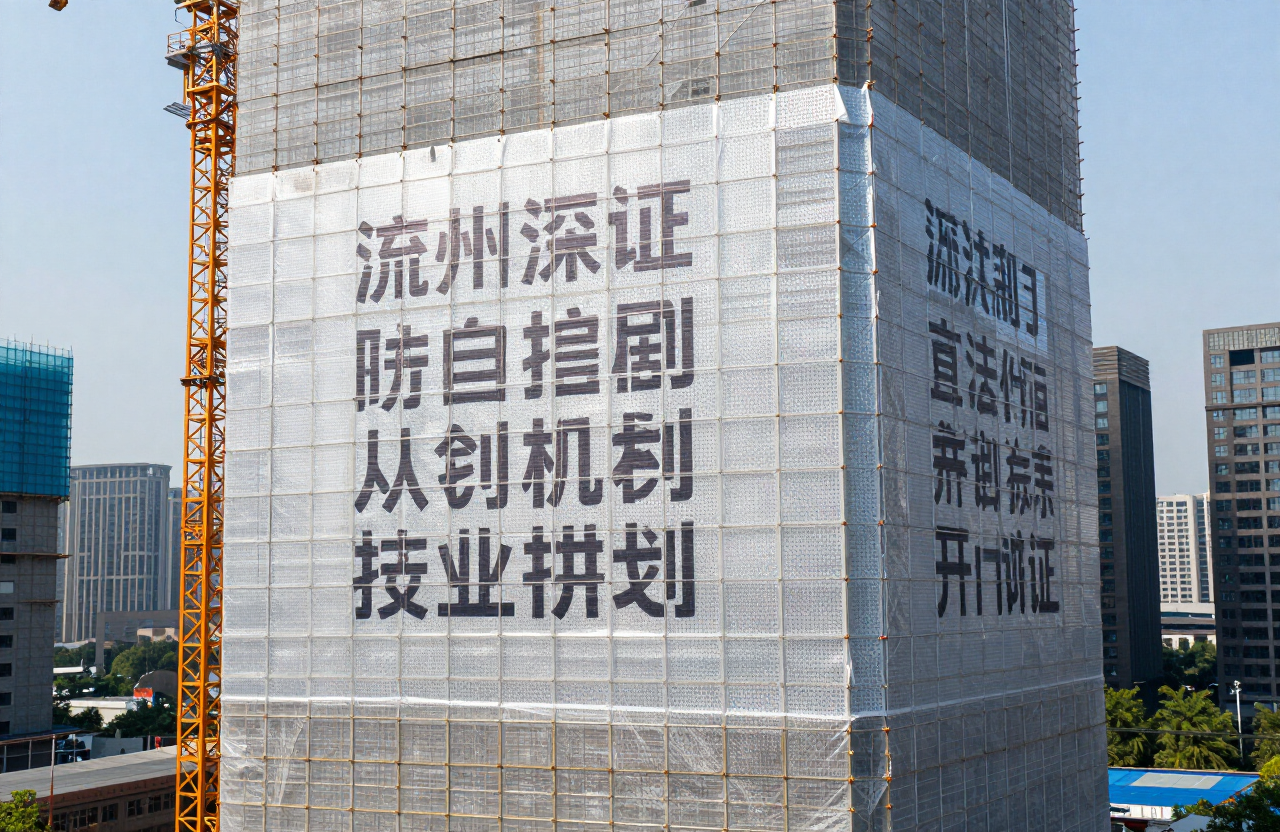
A solid flex banner on a 20-storey building wrap behaves like a sail. Mesh banner lets wind pass through — here is how to specify it for large elevated installations.
The sail problem
A solid PVC flex banner installed across the face of a building catches the wind. On a large elevated wrap, that wind load can tear the banner, overload the attachment hardware and even damage the scaffolding. The larger the panel, the worse the problem — a 200 m² solid banner in a 100 km/h gust is carrying tonnes of wind force.
How mesh reduces the load
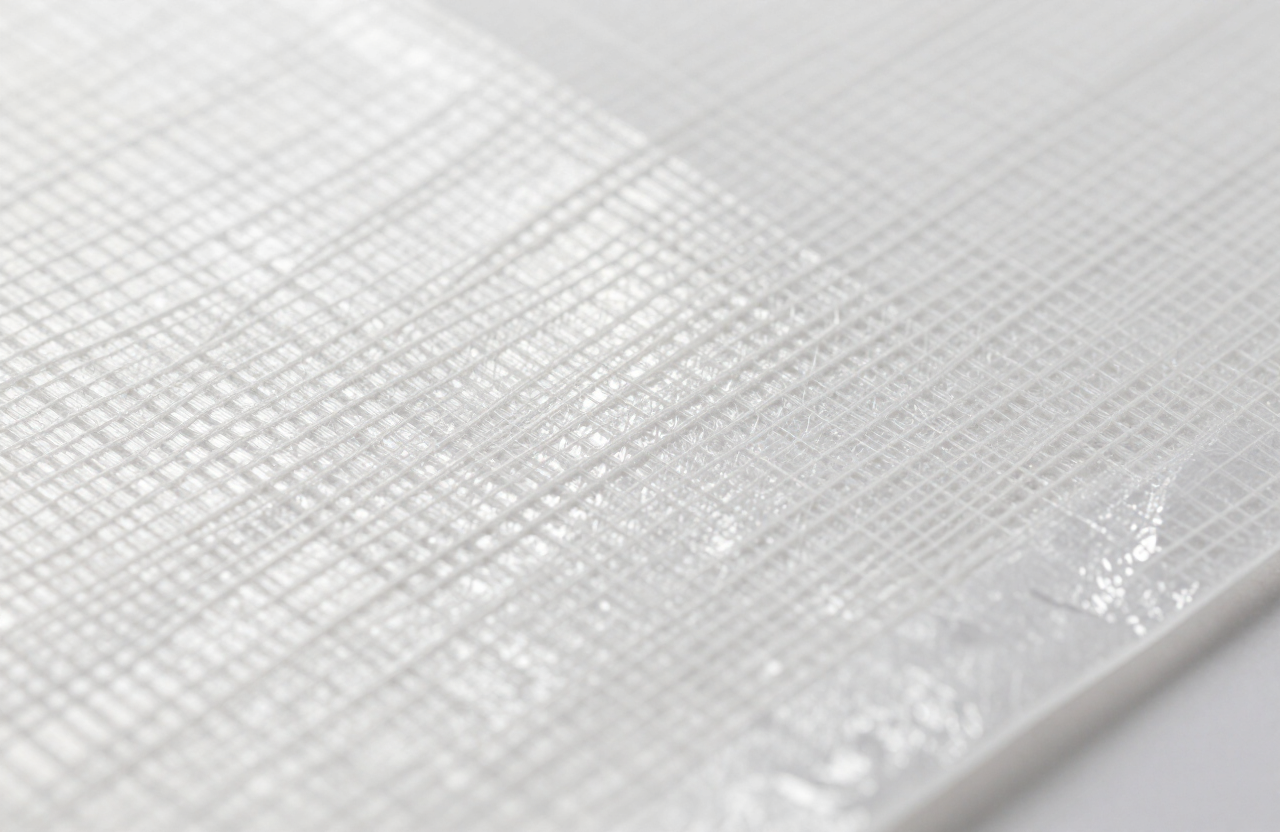
Coated mesh banner is perforated — typically 25–30% open area — so wind passes through the fabric instead of pushing against it. The printed graphic still reads at viewing distance because the holes are small relative to the image, but the structural load drops dramatically. For building wraps, scaffolding covers and perimeter fencing, mesh is usually the only safe choice above a certain panel size.
How coated mesh is made
Unlike laminated flex, mesh banner is manufactured by dip-coating: the polyester mesh is fully impregnated with PVC paste resin and cured inside ovens at a line speed of 10–18 m/min. The process locks the yarn in a polymer matrix, producing the open, wind-permeable structure that makes mesh the safe choice for elevated wraps. Regional specs differ — Europe prefers 1000D 12×12 to B1 FR, while the USA prefers 1000D 18×9 to NFPA 701 FR.
Specifying mesh for a building wrap
Choose the open area against the wind exposure of the site: more open area for high-elevation and coastal installs, less where wind is sheltered and image density matters more. Pair the mesh with the right weight (270–340 gsm) for the panel size and attachment method, and always quote the installation height and wind zone so we can recommend the correct construction and flame-retardant grade.
Print performance on mesh
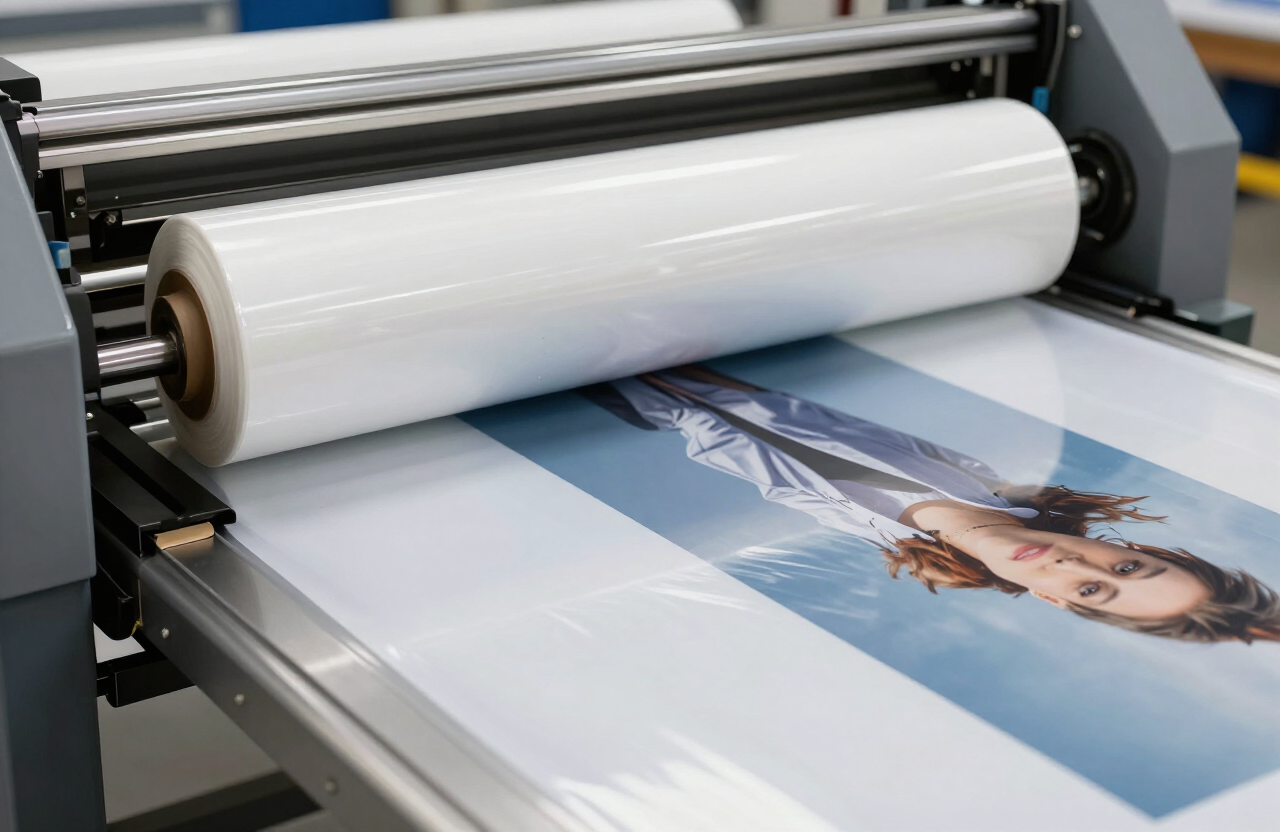
Because the substrate is perforated, ink coverage on mesh is inherently lower than on solid flex. NCF mesh is coated for strong ink adhesion on the solid lands between holes, so colours stay saturated at viewing distance. Use solvent or UV for outdoor mesh wraps — both bond well to the coated lands and hold up to weather.
Talk to a sales engineer
Request specifications and pricing for this media.
Tell us the application, target weight, width and destination port — we reply within 24 hours on business days.
Request a QuoteNCF Applications Engineering
Hangzhou Nuclear Coating Fabric Co., Ltd.